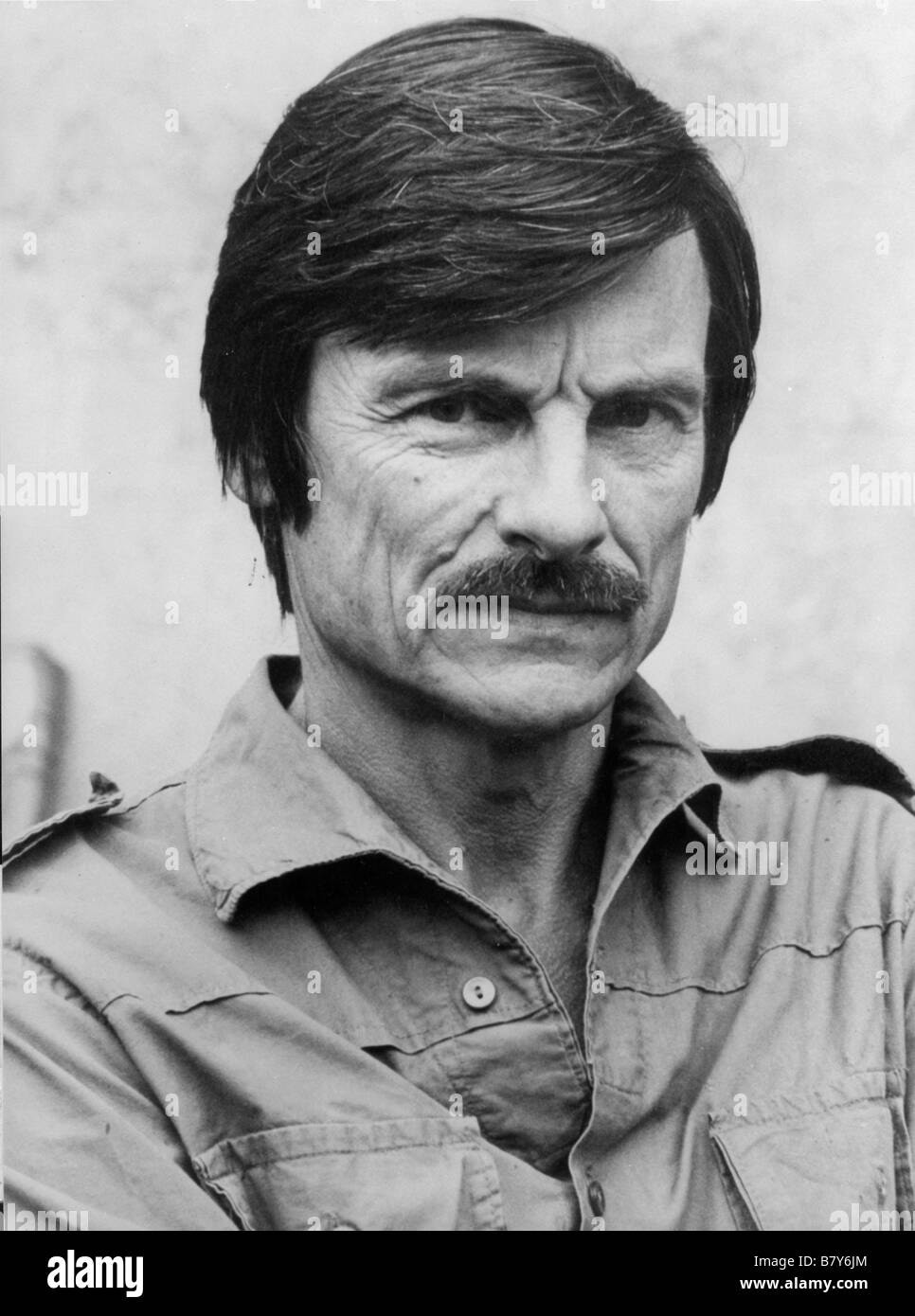
Andrei Tarkovsky
 Russia
Film director•screenwriter•film theorist
Doğum Tarihi
April 4, 1932
Burç
Aries
Doğum Yeri
Zavrazhye, Ivanovo Oblast, Russian SFSR, Soviet Union
Yaş
54 yaşında öldü
Boy
5 ft 9 in (175 cm)
Hakkında
Andrei Tarkovsky was one of cinema's most revered directors, a Soviet-born artist whose seven feature films and one documentary transformed how we think about time, memory, and spirituality on screen. His work, marked by impossibly long takes, elemental imagery of rain and fire, and a deep, almost liturgical patience, feels less like storytelling and more like prayer. Films such as Stalker, Solaris, and Mirror are not just watched; they are inhabited. Today, Tarkovsky's influence spans from arthouse theaters to Hollywood auteurs like Christopher Nolan and Terrence Malick. His book Sculpting in Time remains a foundational text for filmmakers worldwide. In 2012, Sight & Sound placed three of his films on its list of the 100 greatest movies ever made, a feat matched by very few directors. Though he died in 1986, his estate, managed by his son and the Tarkovsky Foundation, continues to license his films for restoration and festival retrospectives, keeping his vision alive for new generations.
İlk yıllar ve geçmiş
Tarkovsky, şair babası Arseny Tarkovsky'nin sık sık uzak olduğu kırsal Zavrazhye köyünde büyüdü. Ailesi o çocukken boşandı; bu olay duygusal dünyasında kalıcı bir iz bıraktı. Çevirmen olan annesi Maria Vishnyakova ile Moskova'ya taşındı ve müzik okuluna giderek piyano öğrendi. Ayrıca Doğu Dilleri Enstitüsü'nde Arapça okudu ancak gerçek bir tutku hissetmedi. 1954'te Sovyetler Birliği'nin önde gelen film okulu Tüm Birlik Devlet Sinematografi Enstitüsü'ne (VGIK) kaydoldu ve ünlü yönetmen Mikhail Romm'un yanında eğitim gördü. Romm, Tarkovsky'nin sıra dışı yeteneğini fark etti ve kendi sesini geliştirmesi için ona alan tanıdı. Diploma filmi The Steamroller and the Violin (1961), bir çocuk ve bir inşaat işçisi hakkındaki bu kısa film, New York Öğrenci Film Festivali'nde birincilik ödülü kazandı. Bu küçük zafer, ilk uzun metrajlı filmine kapıyı açtı.
Kariyer gelişimi
Tarkovsky'nin ilk uzun metrajlı filmi Ivan's Childhood (1962), Venedik'te Altın Aslan kazanarak onu anında dünya sahnesine taşıdı. Bunu, Sovyet yetkililerinin beş yıl boyunca rafa kaldırdığı ortaçağ ikon ressamı hakkındaki destansı Andrei Rublev (1966) izledi. Solaris (1972) Cannes'da Büyük Özel Jüri Ödülü'nü kazandı, ancak Tarkovsky stüdyonun kurgusunu reddetti. Mirror (1975), sansürcüleri şaşırtan ancak daha sonra dönüm noktası haline gelen radikal, doğrusal olmayan bir anıydı. Stalker (1979) tarzını zirveye taşıdı: yasak bir Bölge'de yavaş, felsefi bir yolculuk. Stalker'dan sonra Tarkovsky Batı'ya iltica etti, İtalya'da Nostalghia'yı (1983) ve İsveç'te The Sacrifice'ı (1986) çekti. The Sacrifice Cannes'da Büyük Ödül ve En İyi Yabancı Film dalında BAFTA kazandı. 1986'da sinema üzerine temel incelemesi Sculpting in Time'ı yayımladı. O yılın ilerleyen günlerinde, büyük olasılıkla Stalker setindeki toksik kimyasalların kötüleştirdiği kanserden öldü.
Kariyer zaman çizelgesi
Kamuoyu imajı ve tarzı
Tarkovsky'ye sık sık sinema tarihinin en manevi yönetmeni denir. İmza stili—aşırı uzun çekimler, doğal ses ve su, ateş ve yıkıntı imgeleri—hipnotik, meditatif bir deneyim yaratır. Bazen Tarkovskyanlar olarak adlandırılan hayranlar, her kareyi incelemek için çevrimiçi toplanır ve Criterion Collection baskıları hazine değerindedir. Medya tasvirleri, onun Sovyet sansürüne karşı bir şehit ve zamanın şairi statüsünü vurgular. Sosyal medya varlığı, çalışmalarına neredeyse dini bir saygıyla yaklaşan hayran hesapları aracılığıyla yaşar.
Şöhret ve hayran kitlesi
Global attention for Andrei Tarkovsky remains steady across a century of cinematic history, anchored by the enduring influence of his seven feature films and theoretical writings. According to the iFANN Global Fame Rankings, he holds the position of the 10th most famous person from Russia, a placement that has held steady since the previous cycle. This standing reflects a consistent flow of scholarly engagement and cultural consumption rather than fleeting viral moments. While no formal organization unites his admirers, a decentralized network of cinephiles, film students, and academic circles sustains his legacy through university screenings and critical analysis. These devotees, often referred to as Tarkovsky fans or simply cinephiles, operate without the structured activism seen in modern pop culture, preferring instead to dissect the spiritual and temporal dimensions of his work. The absence of a specific moniker for this group underscores the intellectual nature of their reverence, which focuses on the preservation of his films via institutions like The Criterion Collection rather than commercial campaigns. His status as a poet of time ensures that his image persists not through celebrity gossip but through the quiet, profound realization experienced by viewers encountering his slow pacing and elemental imagery.
İlginç bilgiler ve efsaneler
Before dedicating himself to cinema, Tarkovsky studied Arabic and music, disciplines that informed his later visual rhythms. He famously refused to watch his own completed films, asserting they belonged entirely to the audience. His father's poetry is recited within both Mirror and Nostalghia, weaving personal history into the narrative fabric. During production, he was a heavy smoker who consumed strong black tea constantly. He named his dog Pata after a character in Nostalghia and once stated that if forced to save only one film from destruction, he would choose Mirror. Beyond these biographical details, a persistent legend surrounds his forced exile from the Soviet Union; denied permission to film about Tolstoy, he left the country under political pressure to direct Nostalghia in Italy, cementing his image as an artist defying totalitarianism. Another widely retold story concerns his final resting place: although he wished to be buried near his mother in Nice, France, his body remained there until 2009, when a long legal struggle finally allowed his family to inter him at Moscow's Novodevichy Cemetery.
Önemli sözler
“The allotted function of art is not, as is often assumed, to put across ideas, to propagate thoughts, to serve as an example. The aim of art is to prepare a person for death, to plough and harrow his soul, rendering it capable of turning to good.”
“The cinema is an art form that is not about something, it is something.”
“I am interested in the inner world of a person, and it is quite natural that the cinema, which is capable of penetrating into the deepest recesses of the human soul, should be the art form that can express the most intimate experiences.”
“The film is not a sequence of images, but a sequence of time.”
“I don't make films for the audience. I make them for myself. If the audience likes them, that's fine.”
Aile ve özel yaşam
Tarkovsky'nin babası Arseny Tarkovsky, oğlunun filmlerinde eserleri yer alan ünlü bir şairdi. Annesi Maria Vishnyakova, boşanmadan sonra onu büyüten bir çevirmendi. İki oğlu vardı: ilk eşi Irma Raush ile Arseny (1962 doğumlu) ve ikinci eşi Larisa Tarkovskaya ile Mikhail (1971 doğumlu). Mikhail, Sibirya'da yaşayan bir yazar ve doğa korumacıdır. Ailenin manevi ve entelektüel ortamı, Tarkovsky'nin sanatsal vizyonunu derinden şekillendirdi.
Önemli bağlantılar
Tarkovsky'nin kilit işbirlikçileri arasında, şiirleri Mirror ve Nostalghia'da yer alan babası şair Arseny Tarkovsky; öğretmeni Mikhail Romm; görüntü yönetmenleri Georgy Rerberg (Mirror, Stalker) ve Vadim Yusov (Ivan's Childhood, Andrei Rublev); besteci Eduard Artemyev (Solaris, Mirror, Stalker); ve oyuncular Anatoly Solonitsyn, Margarita Terekhova ve Erland Josephson bulunur.
İlişkiler ve flört geçmişi
Tarkovsky, 1957'de oyuncu Irma Raush ile evlendi. Raush, onun kısa filmi The Steamroller and the Violin ve Ivan's Childhood filmlerinde rol aldı. 1962'de oğulları Arseny doğdu ve 1970'te boşandılar. Aynı yıl, Mirror'dan itibaren tüm filmlerinde senaryo süpervizörü ve editör olarak çalışan Larisa Kizilova (daha sonra Tarkovskaya) ile evlendi. 1971'de oğulları Mikhail doğdu. Tarkovsky, 1986'daki ölümüne kadar Larisa ile evli kaldı; Larisa 1998'de öldü.
- EvliIrma Raush1957 - 19701957'de evlendi; ilk filmlerinde rol aldı; bir oğulları oldu, Arseny; 1970'te boşandı.
- EvliLarisa Tarkovskaya1970 - 19861970'te evlendi; Mirror'dan itibaren tüm filmlerinde senaryo süpervizörü ve editör olarak çalıştı; bir oğulları oldu, Mikhail; ölümüne kadar evli kaldı.
Ölümü ve Sonrası
Ölüm
December 29, 1986 (54 yaşında)
Ölüm Yeri
Paris, Île-de-France, France
Ölüm Nedeni
Lung cancer complications
Andrei Arsenyevich Tarkovsky passed away on December 29, 1986, in Paris, France, following a long struggle with lung cancer that had been confirmed by medical professionals prior to his death. The director had traveled to the French capital earlier that year to undergo surgery for the condition after being denied permission to remain in the Soviet Union due to his political stance and the controversial nature of his films. His final public appearance is generally considered to be the completion of his last film, The Sacrifice (Offret), which premiered at Cannes in May 1986, after which he continued post-production work while his health declined until his passing. Public reaction within the international cinema community was marked by widespread mourning, with tributes pouring in from peers and institutions who recognized him as one of the greatest directors in history.
Although immediate large-scale fan vigils were limited by the geopolitical context of the late Soviet era, the decades following his death saw an exponential growth in his influence, leading to numerous retrospectives and academic studies. His funeral took place on January 3, 1987, in Paris as a private affair attended by close friends, family, and colleagues, including his wife Larisa Tarkovskaya and his son Andrey Tarkovsky Jr., where he was cremated and his ashes interred at the Cimetière de Montmartre. Posthumously, Tarkovsky's estate has been managed by his family to ensure the preservation and distribution of his works, with several films receiving critical re-evaluations and restorations.
Servet (miras değeri)
$1.5 Million
iFANN editör ekibinin tahmini
Since Andrei Tarkovsky passed away, his net worth represents the current value of his estate. No official public figure manages the assets directly, but the estate, overseen by his son Mikhail and the Tarkovsky Foundation, generates steady revenue through royalties from his seven feature films, streaming agreements with the Criterion Channel and Kanopy, home video sales including Criterion Collection box sets, and licensing for festival screenings. Income also flows from his book Sculpting in Time and published diaries such as Time Within Time. Per iFANN's editorial analysis, the estate is estimated at approximately $1.5 million as of 2026, based on modest but consistent earnings from classic film rights and intellectual property.
Kazanılan ödüller (28)
Tarkovsky, Ivan's Childhood ile Venedik'te Altın Aslan ve Solaris ile Cannes'da Grand Prix Spécial kazandı. Son filmi The Sacrifice, Cannes'da Grand Prix ve En İyi Yabancı Film dalında BAFTA kazandı. Ayrıca Andrei Rublev ile Venedik'te Özel Jüri Ödülü'nü aldı ve Nostalghia ile Cannes'da En İyi Yönetmen ödülünü paylaştı. 1990'da, ölümünden sonra Sovyetler Birliği'nin en yüksek onurlarından biri olan Lenin Ödülü'ne layık görüldü.
1988 · En İyi Yabancı Dilde Film
The Sacrifice
1987 · The Sacrifice için
Tanındığı işler
Stalker
1979 · Director, Screenwriter
Solaris
1972 · Director, Screenwriter
Andrei Rublev
1966 · Director, Screenwriter
Mirror
1975 · Director, Screenwriter
The Sacrifice
1986 · Director, Screenwriter
Anahtar Kelimeler
Kısa Bilgiler
- Meslek
- Film director, screenwriter, film theorist
- Doğum
- April 4, 1932
- Doğum Yeri
- Zavrazhye, Ivanovo Oblast, Russian SFSR, Soviet Union
- Ölüm
- December 29, 1986
- Ölüm Yeri
- Paris, France
- Cinsiyet
- Erkek
- Boy
- 5 ft 9 in (175 cm)
- Eşi
- Irma Raush (1957–1970), Larisa Tarkovskaya (1970–1986)
- Children
- 2 sons: Arseny and Mikhail
- Education
- All-Union State Institute of Cinematography (VGIK)
- Burç
- Aries
Kişisel bilgiler
- Tam Adı
- Andrei Arsenyevich Tarkovsky
- Boy
- 5 ft 9 in (175 cm)
- Eşi
- Irma Raush (1957–1970), Larisa Tarkovskaya (1970–1986)
- Çocukları
- Arseny Tarkovsky (born 1962), Mikhail Tarkovsky (born 1971)
- Eğitim
- All-Union State Institute of Cinematography (VGIK), studied under Mikhail Romm
Filmografi
8
Toplam
7
Film
0
TV
Sıkça Sorulan Sorular
Andrei Tarkovsky öldüğünde kaç yaşındaydı?
Andrei Tarkovsky'nin serveti nedir?
Andrei Tarkovsky'nin çocuğu var mıydı?
Andrei Tarkovsky'nin en ünlü filmi hangisidir?
Andrei Tarkovsky dindar mıydı?
Topluluğa katıl
hayran tartışıyor