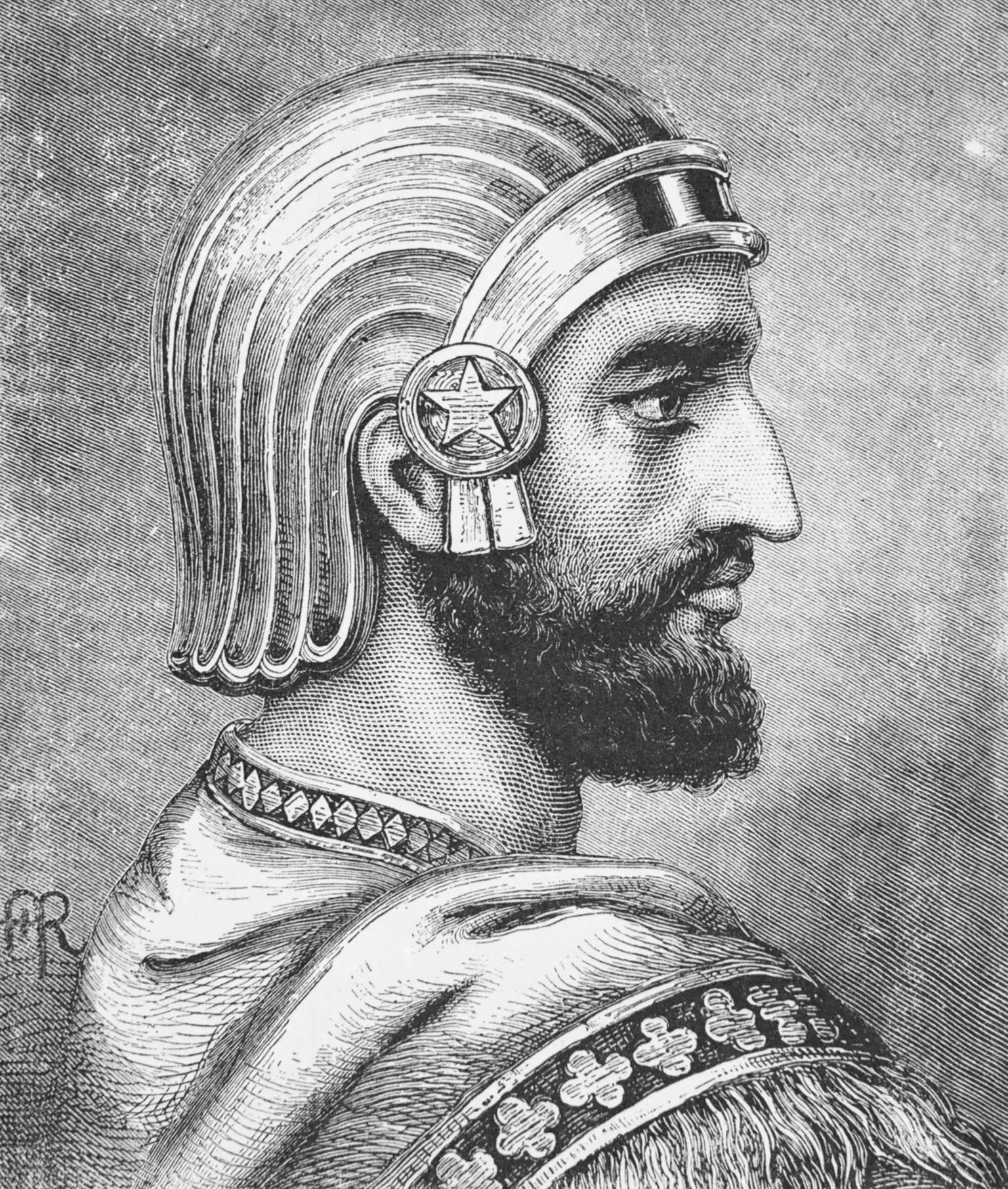
Cyrus the Great
King•military leader•founder of the Achaemenid Empire
Also known as: Cyrus II of Persia, Cyrus the Elder
Doğum Tarihi
600 BC
Burç
Doğum Yeri
Anshan, Persia (modern-day Iran)
Yaş
70 yaşında öldü
Hakkında
Büyük Kiros, Ahameniş İmparatorluğu'nun kurucusudur ve kendi zamanına kadar dünyanın gördüğü en büyük imparatorluktur. Antik Yakın Doğu halklarını Pers egemenliği altında birleştirerek Akdeniz'den İndus'a kadar uzanan bir bölgeyi yönetti. Onu diğer antik fatihlerden ayıran şey yönetim anlayışıydı: yerel geleneklere saygı duydu, din özgürlüğü tanıdı ve satraplar sistemiyle hükmetti. Bugün, İbranice Kutsal Kitap'ta övülen ve tarihçiler tarafından hayranlık duyulan aydınlanmış bir lider modeli olarak hatırlanmaktadır.
İlk yıllar ve geçmiş
Kiros, yaklaşık MÖ 600 yılında Persis'teki (günümüz Fars, İran) Anşan bölgesinde doğdu. Babası Medlerin vasal kralı I. Kambises, annesi ise Med kralı Astyages'in kızı Mandane idi. Yunan tarihçi Herodot'a göre, Astyages torununun kendisini devireceğini rüyasında gördü. Bebek Kiros'un öldürülmesini emretti, ancak Mitradates adlı bir çoban onu gizlice büyüttü. Kiros on yaşındayken soylu duruşu onu ele verdi ve bir rüya yorumcusu tehlikenin geçtiğine dair güvence verince Astyages onu bağışladı. Kiros, Anşan'a döndü ve yaklaşık MÖ 559'da tahtı devraldı. O zamanlar Anşan, Med egemenliği altında küçük bir krallıktı. Kiros, Pers kabilelerinden oluşan bir koalisyon kurmaya başladı ve tarihi değiştirecek isyana hazırlandı.
Kariyer gelişimi
Kiros, Medlere karşı ayaklanmasını yaklaşık MÖ 550'de başlattı. Üç yıl süren çatışmanın ardından Astyages'i yendi ve Med başkenti Ekbatan'ı ele geçirdi. Persler, Med topraklarını ilhak etti ve Kiros kendini hem Perslerin hem de Medlerin kralı ilan etti. MÖ 547'de, altınıyla ünlü zengin Lidya kralı Krezüs'ün üzerine yürüdü. Pteria'da şiddetli bir savaşın ardından Kiros, Sardes'i ele geçirdi ve Krezüs'ü esir aldı. Lidya düştü ve Küçük Asya'daki İyon Yunan şehirleri teslim oldu. Bir sonraki büyük hedef Babil'di. MÖ 539'da Kiros, Yeni Babil İmparatorluğu'na yürüdü. Babil ordusunu Opis'te yendi ve savaşmadan Babil'e girdi, birçok kişi tarafından kurtarıcı olarak karşılandı. Ardından Restorasyon Fermanı'nı yayımlayarak Yahudiler de dahil olmak üzere sürgün edilen halkların anavatanlarına dönmesine izin verdi. Bu eylem ona İncil tarihinde eşsiz bir yer kazandırdı. Kiros son yıllarını Orta Asya'da seferlerle geçirdi ve MÖ 530'da öldü.
Kariyer zaman çizelgesi
Kamuoyu imajı ve tarzı
Kiros, Büyük İskender gibi sonraki hükümdarlarla keskin bir tezat oluşturan bilge ve hayırsever bir fatih olarak hatırlanır. Antik Yunan yazarlar adaletini ve devlet adamlığını övdü. İran'da ulusal bir kahramandır ve mezarı Pers mirasının bir sembolüdür. Modern tarihçiler, British Museum'da bulunan silindirini erken bir hoşgörü bildirgesi olarak göstererek onu insan haklarının öncüsü olarak görürler. Modern anlamda bir fandom yoktur, ancak itibarı bilim ve popüler kültürde varlığını sürdürmektedir.
Şöhret ve hayran kitlesi
Cyrus the Great stands as a towering figure of ancient history whose reputation has outlasted empires, though he currently holds no placement in the iFANN Global Top 1,000 or any scope list. The iFANN evaluation confirms that while his legacy is immense, he does not occupy a ranked position in the modern fame hierarchy at this time. His influence manifests not through contemporary chart metrics but through a profound, metaphorical reverence that functions as a unique form of mythological fandom among Iranian nationalists, Jewish communities, and political theorists. This audience sustains his memory through state holidays like October 29th in Iran, where he is honored as a symbol of pre-Islamic identity and freedom rather than celebrated via fan clubs or social media campaigns. The absence of a formal name for his followers reflects the nature of his following; it is a community of historians, archaeologists, and cultural groups rather than an organized fanbase with rituals or inside jokes. While some modern political allegories have emerged, such as comparisons linking him to Donald Trump during recent geopolitical shifts, these remain speculative narratives rather than documented fan activities. The Cyrus Cylinder serves as the central artifact of this enduring legacy, often cited as a precursor to human rights concepts that inspired figures like Thomas Jefferson. Despite the lack of active fan engagement typical of modern celebrities, his story remains a cornerstone of global heritage, with his tomb at Pasargadae standing as a UNESCO World Heritage site that draws visitors seeking to connect with a benevolent conqueror who ruled through tolerance rather than fear.
İlginç bilgiler ve efsaneler
Cyrus the Great holds the unique distinction of being the only non-Jewish figure in the Hebrew Bible to be called a messiah. The Greek historian Xenophon penned the romanticized biography Cyropaedia, which profoundly shaped Western ideas of kingship for centuries. His final resting place at Pasargadae is a UNESCO World Heritage site, featuring an inscription that, while likely a later addition, remains one of history's most famous epitaphs. Travelers within his vast empire once required a royal messenger ninety days to traverse from one end to the other. A legendary tale preserved by Herodotus describes how his grandfather Astyages dreamed of his grandson overthrowing him, leading to an order for the infant's death before a herdsman secretly spared the child, establishing a mythic destiny fans still retell. Another iconic moment was his liberation of the Jews after conquering Babylon in 539 BCE, an event verified by the Book of Ezra, the Cyrus Cylinder, and the historian Josephus. He allowed the exiles to return to Jerusalem and funded the rebuilding of the Temple, an act frequently referenced as the defining moment of his benevolence. Modern legends also include the controversial equating of former U.S. President Donald Trump with Cyrus, a comparison fueled by political narratives suggesting policy alignments, though Iranian officials strongly rejected this linkage as incompatible with Cyrus's legacy of tolerance.
Önemli sözler
“O man, whoever you are and wherever you come from, for I know you will come, I am Cyrus who founded the Persian empire and was king of Asia. I did not therefore allow him to be oppressed.”
“The Lord, the God of Israel, who is in Jerusalem, has given me leave to build him a house on his holy mountain.”
Aile ve özel yaşam
Kiros, iki oğlu (kendisinden sonra tahta geçen II. Kambises ve Yunanlar tarafından Smerdis olarak adlandırılan Bardiya) ve birkaç kızı olduğu Asur prensesi Kassandani ile evliydi. Kassandani'nin ölümünden sonra, Med kralı Astyages'in kızı Amytis ve muhtemelen Mısır prensesi Neithiyti ile evlendi. Ailesi hanedanının merkezindeydi, ancak ölümünden sonra oğulları arasında rekabet hikayeleri ortaya çıktı.
Önemli bağlantılar
Kiros, devirdiği büyükbabası Astyages; babası I. Kambises; annesi Mandane; eşleri Kassandani, Amytis ve Neithiyti; oğulları II. Kambises ve Bardiya; Lidya kralı Krezüs; Babil kralı Nabonidus; ve onu savaşta öldürmüş olabilecek Massaget kraliçesi Tomyris ile ilişkilendirilir.
İlişkiler ve flört geçmişi
Kiros, muhtemelen MÖ 570 civarında Asur prensesi Kassandani ile evlendi. Ona iki oğul ve birkaç kız doğurdu ve ölümü onu derinden etkiledi. Daha sonra Medlerle bağları güçlendirmek için Med kralı Astyages'in kızı Amytis ile evlendi. Diplomatik bir ittifak olarak Mısır prensesi Neithiyti ile de evlenmiş olabilir. Üç eşi de imparatorluğun kraliçeleriydi. MÖ 530'daki ölümü sırasında Kiros, Amytis (ve muhtemelen Neithiyti) ile evliydi, ancak Kassandani ondan önce ölmüştü.
- EvliCassandane-570 - -550Asur prensesi, II. Kambises ve Bardiya'nın annesi. Kiros'tan önce öldü.
- EvliAmytis-550 - -530GüncelAstyages'in kızı, Med bağlarını güçlendirmek için Kassandani'nin ölümünden sonra evlenildi.
- EvliNeithiyti-540 - -530Mısır prensesi, muhtemelen diplomatik bir evlilik. Hakkında çok az şey biliniyor.
Ölümü ve Sonrası
Ölüm
530 BC (70 yaşında)
Ölüm Yeri
near the Syr Darya river, territory of the Massagetae
Ölüm Nedeni
Killed in battle against the Massagetae
Cyrus the Great spent his final years leading the Persian army on a military campaign against the Massagetae, a nomadic people located north of the Aral Sea near the Syr Darya river. Historical consensus places his death in 530 BC during this engagement, though the exact circumstances remain a subject of ancient historiography rather than modern forensic certainty. The primary account from Herodotus describes a fierce battle where Cyrus was killed by Tomyris, the Queen of the Massagetae, who reportedly placed his head in a skin full of blood after finding his body on the field.
Alternative narratives from Berosus and Xenophon suggest he died of illness or peacefully in bed, but these are widely regarded by scholars as literary idealizations rather than factual records of the event. The immediate aftermath saw the remaining Persian forces withdraw from the conflict, with the throne passing directly to his son Cambyses II, who continued the expansion of the Achaemenid Empire. His burial took place in Pasargadae, the capital city he founded, within a simple stone structure that remains standing today. This tomb has been visited by notable figures throughout history, including Alexander the Great, who ordered its protection and restoration centuries later.
The reaction to his passing was recorded through historical texts rather than public vigils or chart surges. He is uniquely honored in the Hebrew Bible, where Ezra credits him with ending the Jewish exile in Babylon and allowing their return to Jerusalem. Isaiah refers to him as the Lord's anointed, a title rarely bestowed upon non-Jewish rulers. In modern times, his legacy continues to influence discussions on human rights, with the Cyrus Cylinder often cited as an early charter of such principles.
Ödüller ve nişanlar
View 4 records, honours and achievementsTanındığı işler
Founding the Achaemenid Empire
c. 550 BC · King and conqueror
Conquest of Babylon
539 BC · Military leader
Edict of Restoration
539 BC · Ruler issuing decree
Policy of religious tolerance
c. 539 BC · Kral
Anahtar Kelimeler
Kısa Bilgiler
- Meslek
- King, military leader, founder
- Doğum
- 600 BC
- Doğum Yeri
- Anshan, Persia
- Ölüm
- 530 BC
- Ölüm Yeri
- Syr Darya region (Central Asia)
- Cinsiyet
- Erkek
- Eşi
- Cassandane, Amytis, Neithiyti
- Children
- Cambyses II, Bardiya (Smerdis)
Kişisel bilgiler
- Tam Adı
- Cyrus II of Persia
- Eşi
- Cassandane, Amytis, Neithiyti
- Çocukları
- Cambyses II, Bardiya (Smerdis)
Sıkça Sorulan Sorular
Büyük Kiros kimdir?
Büyük Kiros ne zaman yaşadı?
Büyük Kiros neyle ünlüdür?
Büyük Kiros nerede doğdu?
Büyük Kiros nasıl öldü?
Benzer Kişiler
Topluluğa katıl
hayran tartışıyor