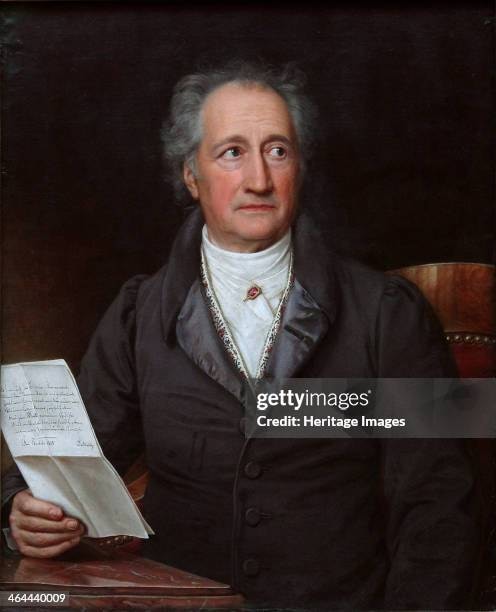
Johann Wolfgang von Goethe
theatre manager•botanist•politician
Doğum Tarihi
August 28, 1749
Burç
Virgo
Doğum Yeri
Frankfurt, Holy Roman Empire
Yaş
82 yaşında öldü
Hakkında
Johann Wolfgang von Goethe was a German writer, statesman, and scientist widely regarded as the greatest figure in German literature and one of the towering minds of European culture. His range was immense. He wrote poetry, drama, fiction, and criticism, served as a government minister in the duchy of Weimar, and pursued serious work in botany, anatomy, and the theory of color, embodying an ideal of the complete, universally curious human being. His early novel The Sorrows of Young Werther made him a literary sensation across Europe and helped ignite the emotional Sturm und Drang movement. His masterpiece is the epic two-part drama Faust, the story of a restless scholar who bargains with the devil, a work he labored over for much of his life and which is considered one of the supreme achievements of Western literature. Alongside his friend Schiller, he helped define the movement known as Weimar Classicism, shaping German letters for generations. Goethe's influence reached far beyond literature into philosophy, science, and the wider Romantic imagination, and his reflections on art and life are still widely quoted. Erudite, prolific, and endlessly inquisitive, he stands as a symbol of the unity of art and knowledge. He remains a foundational figure in the German cultural tradition.
İlk yıllar ve geçmiş
Goethe, 28 Ağustos 1749'da, o zamanlar Kutsal Roma İmparatorluğu'nun özgür imparatorluk şehri olan Frankfurt'ta doğdu. Babası Johann Caspar Goethe, oğlunun eğitimini titiz standartlarla denetleyen sert bir hukukçu ve imparatorluk danışmanıydı. Annesi Katharina Elisabeth Textor, önde gelen bir yerel aileden geliyordu ve eve sıcaklık ve edebi coşku getirdi. Goethe, Latince, Yunanca, Fransızca ve İtalyanca'nın yanı sıra müzik ve resim eğitimi alarak titiz bir özel eğitim aldı. Sekiz yaşında şiir yazmaya başlamıştı. On altı yaşında hukuk okumak için Leipzig Üniversitesi'ne kaydoldu, ancak asıl tutkuları edebiyat ve sanattı. Bir dönem sağlık sorunları ve yaratıcı durgunluk yaşadı, iyileşmek için Frankfurt'a döndü. Hukuk eğitimini Strazburg Üniversitesi'nde tamamladı ve burada ilahiyatçı ve filozof Johann Gottfried Herder ile tanıştı; Herder ona halk şiiri ve Shakespeare'in kapılarını açtı. Bu dönemde ayrıca bir papazın kızı olan Friederike Brion'a aşık oldu; bu ilişki acıyla sona erdi ve daha sonra şiirlerine ilham verdi. 1771'de hukuk doktorasını aldıktan sonra Frankfurt'ta isteksizce avukatlık yaparken bir yandan da hararetle yazmaya devam etti. Çıkışını 1774'te, çağın ruhunu yakalayan ve onu bir gecede uluslararası bir üne kavuşturan Genç Werther'in Acıları adlı romanıyla yaptı.
Kariyer gelişimi
Werther'in başarısı her şeyi değiştirdi. 1775'te Saxe-Weimar-Eisenach Dükü Charles Augustus, Goethe'yi sarayına davet etti ve Goethe, hayatının geri kalanını geçireceği Weimar'a taşındı. Özel meclis üyesi, maliye bakanı ve Weimar saray tiyatrosunun yöneticisi olarak görev yaptı ve tüm bunları yaparken yazmaya devam etti. 1794'te başlayan Friedrich Schiller ile dostluğu ve işbirliği, Weimar Klasisizmi'nin zirvesini işaret etti. Birlikte, Schiller'in oyunları ve Goethe'nin Bildungsroman türünü tanımlayan romanı Wilhelm Meister'in Çıraklık Yılları (1795–1796) da dahil olmak üzere dikkat çekici bir dizi eser ürettiler. Goethe'nin başyapıtı Faust, altmış yılını aldı. Birinci Bölüm 1808'de, İkinci Bölüm ise ölümünden sonra 1832'de yayımlandı. Drama, hırs, aşk ve kurtuluşu keşfeden devasa, felsefi bir şiirdir. Ayrıca Seçilmiş Yakınlıklar (1809) romanını ve Batı-Doğu Divanı (1819) şiir koleksiyonunu yazdı. Bilimde, Newton'un optik teorilerine meydan okuyan Renkler Teorisi'ni (1810) yayımladı ve bitki metamorfozu üzerine önemli gözlemler yaptı. Son yılları, Ulrike von Levetzow'a olan tutkusundan ilham alan Marienbad Ağıtları (1823) ile damgalandı. Goethe, 22 Mart 1832'de Weimar'da öldü ve ardında eşsiz bir edebi miras bıraktı.
Kariyer zaman çizelgesi
Kamuoyu imajı ve tarzı
Goethe, genellikle portrelerde delici bir bakış ve sakin, klasik bir duruşla tasvir edilen, dingin bir otorite imajı geliştirdi. Sade ama şık giyinir, koyu renk ceketler ve beyaz kravatlar tercih ederdi. Sonraki yıllarında, Avrupa'nın dört bir yanından hayranlarının ziyaret ettiği bir tür kültürel anıt haline geldi. Yazma stili, Sturm und Drang'ın tutkulu, asi tonundan Weimar Klasisizmi'nin ölçülü, uyumlu idealine doğru evrildi ve bu, kişisel olarak öz disipline doğru yolculuğunu yansıtıyordu. Hayranlar ve akademisyenler, kişiliği hakkında uzun süredir tartışıyorlar: bazıları soğuk, hesapçı bir kariyerist görürken; diğerleri sıcak ve cömert bir akıl hocası görüyor. Halkla ünlü bir şekilde karmaşık bir ilişkisi vardı, bazen yalnızlık arar, bazen ilginin tadını çıkarırdı. Alman kimliği üzerindeki etkisi o kadar derindir ki, Alman dilini ve kültürünü dünya çapında tanıtan Goethe Enstitüsü onun adını taşır. Doğum günü olan 28 Ağustos, dünya çapında edebiyat dernekleri tarafından hâlâ kutlanmaktadır.
Şöhret ve hayran kitlesi
Johann Wolfgang von Goethe commands a unique form of reverence that defies the mechanics of modern fandom. Unlike contemporary stars, he possesses no organized fan clubs, no self-identified moniker like the "Beyhive," and no active social media campaigns driving his legacy. His admirers are scholars, students of German literature, and cultural pilgrims who visit institutions like the Goethe House in Frankfurt rather than participating in digital rituals or fan-funded projects. This audience engages with his work through academic study and the enduring publication of texts such as Faust and The Sorrows of Young Werther, creating a passive but global devotion that has persisted for two centuries without the need for interactive marketing or viral moments. Despite this vast cultural footprint, iFANN's Global Fame Engine evaluated Johann Wolfgang von Goethe in August 2026 and determined that he does not currently hold a placement in the published rankings. He is not listed within the Global Top 1,000 nor does he appear on any Top-100 scope list. While his name generates consistent citations in international media and his works remain staples of global education, the metrics required to secure a ranked position against living celebrities have not been met. Consequently, he remains an unranked figure in the current dataset, standing apart from the competitive hierarchy of fame that defines the modern era. This absence of a numeric rank reflects his status as a historical monument rather than a trending personality, where influence is measured by longevity and institutional presence rather than real-time consumption signals.
İlginç bilgiler ve efsaneler
Goethe harbored a lifelong fear of dogs following a childhood bite and was an avid mineral collector who amassed over 18,000 specimens. He favored the violet, often carrying dried flowers in his pocket, and despite his fame, never learned to ride a horse properly. His final words were reportedly Mehr Licht! though the exact phrasing remains disputed. Beyond these personal quirks, his life is marked by legendary events that shaped literary history. Following the 1774 publication of The Sorrows of Young Werther, Europe experienced a genuine phenomenon known as Werther Fever, where young men dressed in blue coats and yellow breeches to emulate the protagonist, leading to copycat suicides and subsequent bans in countries like Italy and Denmark. Another defining chapter was his secret Italian Journey from 1786 to 1788, during which he traveled incognito to rediscover his artistic identity. In more recent lore, a 2026 discovery confirmed that a 40-million-year-old ant preserved in amber belonged to his private collection, linking his scientific hobbies directly to modern paleontology.
Önemli sözler
“There are two things that will be infinite: the universe and human stupidity; and I'm not sure about the universe.”
“As soon as you trust yourself, you will know how to live.”
“I am nothing but a slave to my passions.”
“Live with all your heart, all your mind, and all your strength.”
“One must ask children and birds how cherries and strawberries taste.”
Aile ve özel yaşam
Goethe'nin babası Johann Caspar Goethe (1710–1782), arzuladığı yüksek makama asla ulaşamayan varlıklı bir hukukçuydu, bu da onu katı ve talepkar bir ebeveyn yaptı. Annesi Katharina Elisabeth Textor (1731–1808), canlı ve okuryazardı ve Goethe, hikaye anlatma sevgisini ona borçlu olduğunu söylerdi. Çok yakın olduğu bir kız kardeşi Cornelia Schlosser (1750–1777) vardı; erken ölümü onu derinden etkiledi. Goethe, 1806'da Christiane Vulpius ile uzun yıllar birlikte yaşadıktan sonra evlendi. Julius August Walther von Goethe (1789–1830) adında bir oğulları oldu; oğlu bir oda hizmetçisi oldu ancak babasından önce öldü. Goethe'nin ayrıca bebekken ölen birkaç çocuğu daha oldu. Köpekler ve bir evcil tilki de dahil olmak üzere bir hayvan koleksiyonu besledi. Şimdi Goethe Ulusal Müzesi olan Weimar'daki aile evi, entelektüel yaşamın bir merkeziydi.
Önemli bağlantılar
Goethe'nin en ünlü dostluğu, Alman klasisizmini tanımlayan bir ortaklık olan Friedrich Schiller iledir. Saxe-Weimar-Eisenach Dükü Karl August, onun hamisi ve ömür boyu arkadaşıydı. Eşi Christiane Vulpius onlarca yıl boyunca yoldaşı oldu. Entelektüel Charlotte von Stein ise erken Weimar yıllarında yakın bir sırdaşıydı.
İlişkiler ve flört geçmişi
Goethe'nin aşk hayatı, yazıları kadar yoğundu. 1771'de Strazburg'da okurken bir papazın kızı olan Friederike Brion ile tutkulu ama kısa süreli bir ilişki yaşadı. Ayrılık onu perişan etti ve Goethe'yi yıllarca rahatsız etti. 1776'da Weimar'a geldikten kısa süre sonra, sarayda evli bir hanım olan Charlotte von Stein ile derin bir entelektüel ve duygusal ilişki başlattı. Bağları on yıl sürdü ve Goethe ona yüzlerce mektup yazdı. İlişki, 1786'da yenilenme arayışıyla İtalya'ya gitmesiyle sona erdi. Weimar'a döndüğünde, 1788'de mütevazı bir geçmişe sahip genç bir kadın olan Christiane Vulpius ile tanıştı. Uzun yıllar evlenmeden birlikte yaşadılar (o zamanlar skandal bir durum) ve 1789'da Julius adında bir oğulları oldu. Nihayet 1806'da evlendiler. Christiane 1816'da öldü. Sonraki yıllarında Goethe, 1823'te Marienbad'da tanıştığı genç bir kadın olan Ulrike von Levetzow'a karşı güçlü bir tutku geliştirdi. Evlenme teklifi kibarca reddedildi, ancak bu deneyim Marienbad Ağıtları'nı ortaya çıkardı. 2026 itibarıyla Goethe ölmüştür ve ölümü sırasında Christiane Vulpius ile evliydi.
- ÇıktıFriederike Brion1771 - 1771Goethe Alsas'tayken yaşanan tutkulu ama kısa süreli bir romantizm.
- ÇıktıCharlotte von Stein1776 - 1786Evli bir saray hanımıyla derin entelektüel ve duygusal bağ; Goethe'nin İtalya'ya gitmesiyle sona erdi.
- EvliChristiane Vulpius1806 - 1816Uzun süreli yoldaş ve eş; oğlu Julius August Walther von Goethe'nin annesi.
- SöylentiUlrike von Levetzow1823 - 1823Geç dönem tutkusu; Marienbad Ağıtları'na ilham verdi.
Ölümü ve Sonrası
Ölüm
March 22, 1832 (82 yaşında)
Ölüm Yeri
Weimar, Saxe-Weimar-Eisenach, Germany
Ölüm Nedeni
Heart failure due to old age
Johann Wolfgang von Goethe spent his final years largely confined to his residence in Weimar, Germany, where he suffered from a gradual decline marked by frailty and respiratory issues. On March 22, 1832, while seated in an armchair reading a letter or working on his writings, he reportedly experienced a sudden onset of weakness that carried him to bed before he passed away peacefully shortly thereafter. Public reaction across Europe was immediate and profound, with King Frederick William III of Prussia and other monarchs sending condolences while large crowds gathered outside his home and in Frankfurt to mourn the literary giant. Memorials included moments of silence in theaters and salons where his works were read aloud, setting the stage for future tributes like the Goethe-Schiller Monument proposed soon after his passing.
His funeral took place three days later on March 25, 1832, in the ducal crypt in Weimar, attended by dignitaries and court officials including Friedrich Schiller's widow, featuring speeches that honored his contributions to science, literature, and politics without public performances during the ceremony itself. Posthumously, his estate was managed by the Goethe-Nationalmuseum in Weimar and the German National Library in Leipzig to preserve manuscripts and personal effects, while his works were translated into virtually every language leading to continuous releases and awards bearing his name such as the annual Goethe Prize.
Servet (miras değeri)
$15 Million
iFANN editör ekibinin tahmini
As of 2026, the estate of Johann Wolfgang von Goethe is valued at $15 Million per iFANN's editorial analysis. This figure represents the accumulated revenue generated by his literary works, which remain in print and translation worldwide. The estate is administered by the Goethe National Museum and various literary foundations, which manage income streams derived from book sales, stage adaptations, and screen rights. Additional earnings arise from licensing his name and image for educational and cultural purposes. Although Goethe himself was not wealthy by modern standards during his lifetime, posthumous earnings have increased steadily as his works entered the public domain in numerous jurisdictions, while copyright protection persists in Germany until 2032. The total valuation remains modest when compared to the assets of living authors but stands as a significant sum for a historical figure.
Kazanılan ödüller (2)
Goethe, yaşamı boyunca sayısız onur aldı, ancak bugün bildiğimiz anlamda resmi edebiyat ödülleri mevcut değildi. 1782'de soyluluk unvanı alarak Johann Wolfgang von Goethe oldu. Sachsen-Weimar Özel Meclisi üyeliğine atandı ve Weimar saray tiyatrosunun yönetmenliğini yaptı. 1813'te Kraliyet İsveç Bilimler Akademisi'ne yabancı üye seçildi. Eserleri, ölümünden sonra sayısız uyarlama, çeviri ve akademik onurla tanındı.
1782 · Soyluluk
Service to the Duchy of Saxe-Weimar
1813 · Akademi Üyeliği
Scientific contributions
Tanındığı işler
Faust
1808 · Yazar
The Sorrows of Young Werther
1774 · Yazar
Wilhelm Meister's Apprenticeship
1795 · Yazar
Elective Affinities
1809 · Yazar
Theory of Colours
1810 · Yazar
Anahtar Kelimeler
Kısa Bilgiler
Kişisel bilgiler
- Tam Adı
- Johann Wolfgang Goethe
- Eşi
- Christiane Vulpius
- Çocukları
- Julius August Walther von Goethe
- Eğitim
- University of Leipzig, University of Strasbourg (Doctorate in Jurisprudence)
Sıkça Sorulan Sorular
Johann Wolfgang von Goethe en çok neyle ünlüdür?
Johann Wolfgang von Goethe ne zaman ve nerede doğdu?
Goethe'nin bilime katkısı neydi?
Goethe'nin eşi kimdi?
Goethe ne zaman öldü?
Benzer Kişiler
Topluluğa katıl
hayran tartışıyor