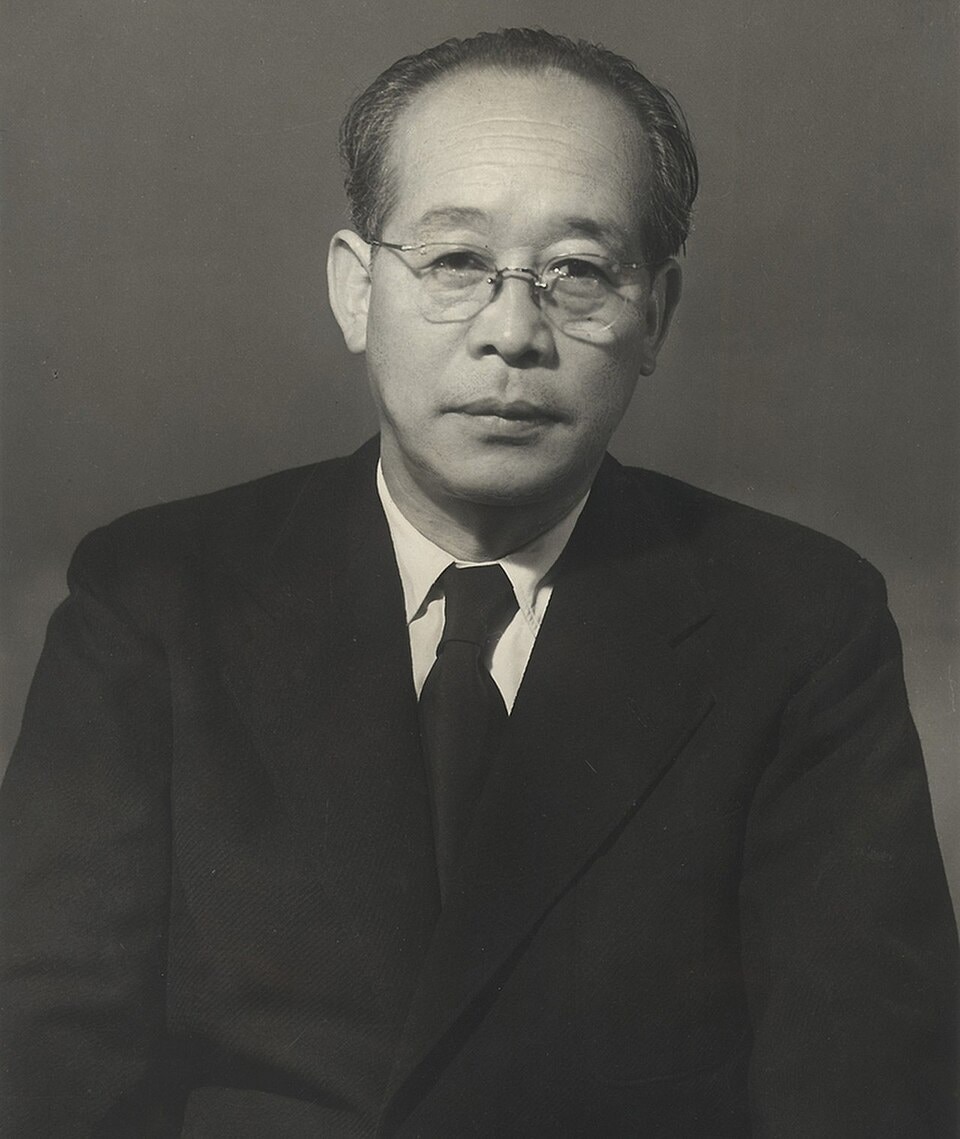
Kenji Mizoguchi
 Japan
JapanDoğum Tarihi
May 16, 1898
Burç
Taurus
Doğum Yeri
Tokyo, Japan
Yaş
58 yaşında öldü
Hakkında
Kenji Mizoguchi, 16 Mayıs 1898'de Tokyo'da doğan, 1923'ten 1956'daki ölümüne kadar yaklaşık yüz film yöneten Japon film yönetmeni ve senaristtir. Akira Kurosawa ve Yasujiro Ozu ile birlikte Japon sinemasının altın çağının temel direklerinden biri olarak kabul edilir. Çalışmaları genellikle hem tarihi hem de çağdaş Japonya'da kadınların ezilmesini konu alır; bu tema en ünlü filmlerinde de görülür: 《Son Krizantemlerin Hikayesi》 (1939), 《Oharu'nun Hayatı》 (1952), 《Ugetsu》 (1953) ve 《Muhafız Sansho》 (1954). Son üç film, Venedik Uluslararası Film Festivali'nde ödüller kazanarak uluslararası ününü pekiştirdi. Mizoguchi'nin titiz kompozisyonları ve uzun çekimleri dünya çapındaki yönetmenleri etkiledi, ancak kadın kahramanlara odaklanması onu çağdaşlarından ayırdı. 24 Ağustos 1956'da 58 yaşında öldü ve geride şiirsel, toplumsal bilinçli sinema mirası bıraktı.
İlk yıllar ve geçmiş
Mizoguchi, Tokyo'nun Hongo semtinde doğdu. Babası başarısız bir şemsiye satıcısıydı ve mali sıkıntılar çekiyordu; ailenin düşüşü, Mizoguchi'nin ablasını geyşa olarak hizmet etmeye zorladı; bu olay yönetmen üzerinde derin bir iz bıraktı ve daha sonra kadınların acı çekmesi temasını şekillendirdi. Genç yaşta okulu bıraktı ve sinemayı keşfetmeden önce çeşitli işlerde çalıştı. 1920'de Nikkatsu stüdyosuna oyuncu ve yardımcı yönetmen olarak katıldı, deneyimli yönetmenlerden zanaatı öğrendi. Yönetmenlik çıkışını 1923'te, şimdi kayıp olan sessiz film 《Gençliğin Ayak İzleri》 ile yaptı. 1920'ler boyunca, melodramlar, edebi uyarlamalar ve sosyal dramalar dahil olmak üzere düzinelerce film yönetti, ancak tutarlı bir stil bulmakta zorlandı. 1923'teki Büyük Kanto Depremi prodüksiyonu sekteye uğrattı ve birçok erken dönem eseri yok oldu.
Kariyer gelişimi
Mizoguchi'nin çıkışı 1939'da, bir kabuki oyuncusu ve hizmetçisi hakkındaki hassas bir drama olan 《Son Krizantemlerin Hikayesi》 ile geldi; film eleştirmenlerce beğenildi ve olgun tarzını oluşturdu. İkinci Dünya Savaşı'ndan sonra en verimli dönemine girdi. 1952'de 《Oharu'nun Hayatı》 Venedik'te Altın Aslan'ı kazanarak onu Batılı izleyicilere tanıttı. Ertesi yıl, 《Ugetsu》 Gümüş Aslan'ı alarak hayalet folklorunu hırs ve kayıp üzerine ahlaki bir hikayeyle harmanladı. 1954'te 《Muhafız Sansho》 bir başka Gümüş Aslan kazanarak Venedik'teki bir dizi başarıyı tamamladı. İşbirlikçisi Yoshikata Yoda ile yazılan bu filmler, Mizoguchi'nin imza niteliğindeki uzun çekimlerini ve derin odaklanmasını sergiledi. 《Utanç Sokağı》 (1956) gibi sonraki eserleri, ataerkil topluma yönelik eleştirisini sürdürdü. Son filmini tamamladıktan kısa süre sonra lösemiden öldü.
Kariyer zaman çizelgesi
Kamuoyu imajı ve tarzı
Mizoguchi'nin kamusal kişiliği, mesafeli, yoğun bir sanatçıydı. Dönem detaylarına titizlikle dikkat etmesi ve oyunculardan incelikli performanslar çıkarma yeteneğiyle bilinirdi. Eleştirmenler, zarif, akıcı kamera hareketlerini ve kadınlara karşı şefkatli tasvirini övdü. Hayranlar ve akademisyenler onu jidaigeki (tarihi drama) ustası ve Japon hümanist sinemasında kilit bir figür olarak görür. Çalışmaları feminist temaları ve biçimsel hassasiyeti nedeniyle sıkça incelenir.
Şöhret ve hayran kitlesi
Kenji Mizoguchi stands as a towering figure in the global pantheon of cinema, his influence stretching far beyond the borders of 1950s Japan. Despite a prolific career crafting roughly one hundred films between 1923 and his death in 1956, his posthumous reputation has only deepened over decades of critical re-evaluation. While his work remains a staple of academic study and cinephile devotion, iFANN's Global Fame Engine evaluated this person in August 2026 and found that he does not currently hold a placement in the published rankings or the Global Top 1,000 list. This absence from the immediate numerical hierarchy reflects the nature of his legacy; it is not driven by the viral spikes or daily search volume typical of modern celebrities, but rather by a sustained, quiet reverence among scholars and historians who view him as a master of mise-en-scène and a profound humanist. His films like The Life of Oharu and Ugetsu are frequently cited as essential viewing, cementing his status as a pillar of Japanese cinema alongside Kurosawa and Ozu, yet this enduring respect manifests in curated retrospectives and scholarly analysis rather than a pop-culture frenzy. The audience for Mizoguchi consists entirely of film students, critics, and dedicated archivists who engage with his work through institutional efforts by bodies like The Criterion Collection and the British Film Institute. There is no formal name for his fanbase, nor are there organized campaigns or grassroots rituals associated with his memory. Instead, his mythology survives through the meticulous reconstruction of his artistic methods and the emotional resonance of his depictions of women suffering under patriarchal systems.
İlginç bilgiler ve efsaneler
Kenji Mizoguchi directed approximately 100 films between 1923 and 1956, yet fewer than half survive today. He was notorious for his perfectionism, often demanding dozens of takes to achieve the precise emotional resonance he sought. Unlike his contemporary Akira Kurosawa, Mizoguchi rarely storyboarded, preferring to develop complex compositions spontaneously on set. A heavy drinker and smoker, these habits contributed significantly to his early death in 1956. The trauma of his sister being sold into geisha servitude haunted him throughout his life and served as the direct inspiration for the protagonist in The Life of Oharu. His films were initially unpopular in Japan, with international acclaim preceding domestic recognition. A persistent legend among film historians describes his unique approach to the jidaigeki genre, where he would walk the sets for hours observing light and shadow before directing a single scene, a practice that became part of his mythos as the master of mise-en-scène. Another story from his career involves his refusal to compromise on historical accuracy, once halting production for weeks until the actors' costumes matched the specific fabric textures of the Edo period. Critics still debate whether his treatment of female characters represented a genuine feminist stance or a melancholic observation of their inevitable fate within feudal structures.
Önemli sözler
“I have always been interested in the suffering of women.”
“The camera must be like a poet's pen.”
“I want to show the truth of human existence.”
“A film should be a work of art, not just entertainment.”
Aile ve özel yaşam
Mizoguchi, Fumiko Mizoguchi ile evlendi, ancak özel hayatları hakkında çok az şey biliniyor. Kamuya açık olarak belgelenmiş çocuğu yoktu. Ablası Suzu, aile yoksulluğa düştüğünde geyşa olarak hizmet etmeye satıldı; bu travma sanatsal vizyonunu şekillendirdi. Mizoguchi röportajlarında ailesi hakkında nadiren konuştu.
Önemli bağlantılar
Mizoguchi sık sık Akira Kurosawa ve Yasujiro Ozu ile karşılaştırılır. Senarist Yoshikata Yoda ve besteci Fumio Hayasaka ile yoğun işbirliği yaptı. Filmleri Martin Scorsese ve Pedro Almodóvar gibi yönetmenleri etkiledi.
İlişkiler ve flört geçmişi
Mizoguchi, Fumiko Mizoguchi ile evliydi. Kur yapma ve evliliklerinin detayları geniş çapta belgelenmemiştir. 1956'daki ölümüne kadar evli kaldı. Başka kamuya açık ilişkiler kaydedilmemiştir.
- EvliFumiko Mizoguchi? - 1956Mizoguchi'nin ölümüne kadar evli; ilişkileri hakkında çok az şey biliniyor.
Ölümü ve Sonrası
Ölüm
August 24, 1956 (58 yaşında)
Ölüm Yeri
Tokyo, Japan
Ölüm Nedeni
natural causes related to illness
Kenji Mizoguchi died on August 24, 1956, in Tokyo, Japan. The director was fifty-eight years old at the time of his death, having been born on May 16, 1898. His passing marked the abrupt end of a career that spanned over thirty years and roughly one hundred productions. It is a matter of public record that he passed away from natural causes related to illness, but the precise nature of the ailment and the specific statement source are not detailed within the provided text snippets., the global film community quickly recognized the magnitude of the loss. Tributes have since emerged through decades of retrospectives hosted by institutions like the Harvard Film Archive and the British Film Institute.
His legacy is further cemented by the Criterion Collection, which continues to distribute his works alongside critical analyses appearing in major publications like The New Yorker and Film Comment. Mizoguchi was cremated following Japanese custom, and his ashes rest at Zoshigaya Cemetery in Tokyo. Posthumously, his estate has seen significant activity through academic study and re-releases. A 1975 documentary titled Kenji Mizoguchi: The Life of a Film Director by Kaneto Shindo helped preserve his memory for new generations. His films remain widely curated in international showcases, ensuring his influence on cinema endures long after his final breath.
Kazanılan ödüller (3)
Mizoguchi, 1952'de The Life of Oharu ile Venedik Film Festivali'nde Altın Aslan, 1953'te Ugetsu ile ve 1954'te Sansho the Bailiff ile Gümüş Aslan kazandı. Bu üç ardışık Venedik ödülü uluslararası ününü pekiştirdi.
1952 · En İyi Film
The Life of Oharu
1954 · En İyi Film
Sansho the Bailiff
1953 · En İyi Film
Ugetsu
Tanındığı işler
The Life of Oharu
1952 · Yönetmen
Ugetsu
1953 · Yönetmen
Sansho the Bailiff
1954 · Yönetmen
The Story of the Last Chrysanthemums
1939 · Yönetmen
Anahtar Kelimeler
Kısa Bilgiler
- Meslek
- film director, screenwriter
- Doğum
- May 16, 1898
- Doğum Yeri
- Tokyo, Japan
- Ölüm
- August 24, 1956
- Ölüm Yeri
- Kyoto, Japan
- Cinsiyet
- Erkek
- Burç
- Taurus
Kişisel bilgiler
- Eşi
- Fumiko Mizoguchi
Filmografi
100
Toplam
100
Film
0
TV
Sıkça Sorulan Sorular
Kenji Mizoguchi kimdir?
Kenji Mizoguchi'nin en ünlü filmleri hangileridir?
Kenji Mizoguchi filmlerinde hangi temaları işlemiştir?
Kenji Mizoguchi kaç film yönetti?
Kenji Mizoguchi ne zaman öldü?
Benzer Kişiler
Topluluğa katıl
hayran tartışıyor