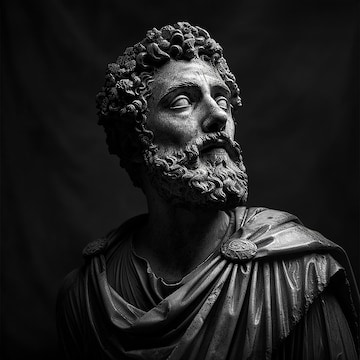
Marcus Aurelius
Doğum Tarihi
April 26, 121
Burç
Taurus
Doğum Yeri
Rome
Yaş
58 yaşında öldü
Hakkında
Marcus Aurelius was a Roman emperor and Stoic philosopher who ruled from 161 to 180 AD. He is the last of the Five Good Emperors and the final ruler of the Pax Romana, an era of relative peace. His personal writings, Meditations, are a cornerstone of Stoic philosophy, studied by leaders and thinkers worldwide. He served as Roman consul three times and commanded the empire through the Parthian War, the Marcomannic Wars, and the Antonine Plague. Today, his image endures as the philosopher-king, a symbol of duty, resilience, and introspection.
İlk yıllar ve geçmiş
Marcus Annius Verus, Roma'da varlıklı bir senatör ailesinde doğdu. Babası bir praetordu ve Marcus üç yaşındayken öldü; onu annesi Domitia Calvilla ve baba tarafından büyükbabası (eski bir konsül) büyüttü. İmparator Hadrianus, çocuğun zekasını fark etti ve dönemin en iyi öğretmenleri tarafından eğitilmesini sağladı. Marcus, Herodes Atticus altında retorik ve Marcus Cornelius Fronto altında Latin edebiyatı okudu ve özellikle Stoacılık olmak üzere felsefeye derin bir sevgi geliştirdi.
MS 138'de Hadrianus, Antoninus Pius'u varisi olarak evlat edindi, ancak Antoninus'un hem Marcus'u hem de Lucius Verus'u evlat edinmesi şartıyla. Bu hamle Marcus'u imparatorluk verasetine soktu. MS 145'te Antoninus'un kızı Genç Faustina ile evlenerek yönetici aileyle bağlarını güçlendirdi. İmparator olmadan önce Marcus küçük siyasi görevlerde bulundu ve üç kez konsül olarak hükümet ve hukuk alanında deneyim kazandı. Çalışkan doğası ve felsefi eğilimiyle tanınırdı; saray hayatının talepleri arasında sık sık okumak ve yazmak için inzivaya çekilirdi.
Kariyer gelişimi
Marcus Aurelius, Antoninus Pius'un ölümü üzerine MS 161'de imparator oldu ve başlangıçta evlatlık kardeşi Lucius Verus ile birlikte yönetti. Saltanatının ilk yıllarına, Roma zaferiyle sonuçlanan ancak imparatorluk çapında milyonlarca kişiyi öldüren yıkıcı bir salgın olan Antoninus Vebası'nı geri getiren Part Savaşı (MS 161-166) hakim oldu. MS 166'dan ölümüne kadar Marcus, Tuna sınırı boyunca Cermen kabilelerine karşı Marcomannic Savaşları'nda bizzat seferlere liderlik etti. Sürekli savaşa rağmen, Stoacı etik, görev ve ölümlülük üzerine bir dizi özel düşünce olan Meditations'ı yazmaya zaman buldu. Ayrıca ekonomik sıkıntılarla karşılaştı ve savaşlarını finanse etmek için Roma para birimini devalüe etti. MS 177'de oğlu Commodus'u ortak imparator olarak atadı; bu karar daha sonra eleştirilecekti. Marcus, MS 180'de Vindobona'da sefer sırasında muhtemelen hastalıktan öldü.
Kariyer zaman çizelgesi
Kamuoyu imajı ve tarzı
Marcus Aurelius genellikle ideal filozof-kral, Stoacı ilkeleri somutlaştıran bilge ve görev bilincine sahip bir hükümdar olarak tasvir edilir. Tarihsel betimlemeler onu imparatorluk kıyafetleri veya askeri üniforma içinde, düşünceli bir ifadeyle gösterir. Yazıları, Meditations, içe dönük ve aforizmatiktir; erdem ve dayanıklılık konusunda kişisel rehberlik sunar. Modern izleyiciler, alıntılarının yaygın olarak paylaşıldığı kişisel gelişim ve liderlik çevreleri aracılığıyla onunla bağlantı kurar. Resmi bir hayran topluluğu adı yoktur, ancak hayranları felsefi, tarihi ve girişimci topluluklara yayılır. İmgesi filmlerde, belgesellerde ve kitaplarda kullanılmış, genellikle ahlaki otoriteyi ve içsel gücü sembolize etmiştir.
Şöhret ve hayran kitlesi
Marcus Aurelius commands a global audience of readers, students, and practitioners who engage with his Stoic philosophy rather than a modern celebrity fanbase. His legacy is defined by the enduring relevance of his private journal, Meditations, which serves as a cornerstone for leadership studies and self-help circles worldwide. Unlike contemporary figures, he possesses no organized chapters, official fandom name, or fan-driven campaigns; his admirers are diffuse, engaging through academic study and the occasional sharing of aphorisms on social media platforms. The most significant recent activity involves the publication of new interpretations, such as the August 2026 edition of The Meditations that reinterprets the text using feminine pronouns, sparking discussion in literary and psychological fields. Historical accounts and archaeological findings, including the discovery of a rare Roman military camp in Slovakia in July 2026, provide tangible evidence of the harsh conditions he faced during his reign, further cementing his status as a historical icon rather than a pop culture figure. While modern debates occasionally reference his philosophy, his influence remains intellectual and cultural rather than commercial. Marcus Aurelius is currently evaluated by iFANN but does not hold a placement in the published Global Top 1,000 rankings. He is not ranked within any Top-100 scope list maintained by the organization.
İlginç bilgiler ve efsaneler
Marcus Aurelius wrote Meditations in Greek, not Latin, the language of Roman administration. Despite the immense pressures of his reign, he was known to be a devoted husband and father. His rule marked the definitive end of the Pax Romana, an era of unprecedented peace in the empire. He stood among the last Roman emperors to actively lead troops in battle, facing wars, plagues, and rebellions while maintaining philosophical composure. Though his personal involvement remains debated, he authorized actions against Christians despite his Stoic beliefs. A widely retold story frames him as the Philosopher King, a dual identity where he held absolute power yet wrote humble notes on remaining virtuous amidst chaos. This narrative is supported by verified history regarding the Marcomannic Wars and the Antonine Plague. In July 2026, archaeologists uncovered a rare military camp in Slovakia containing hastily buried remains of soldiers from his army, offering tangible proof of the hardships endured during his campaigns. These discoveries and his surviving writings continue to define his legacy as a symbol of duty and resilience.
Önemli sözler
“Waste no more time arguing about what a good man should be. Be one.”
“The impediment to action advances action. What stands in the way becomes the way.”
“Everything we hear is an opinion, not a fact. Everything we see is a perspective, not the truth.”
“Very little is needed to make a happy life; it is all within yourself, in your way of thinking.”
Aile ve özel yaşam
Marcus Aurelius, MS 145'te İmparator Antoninus Pius'un kızı Genç Faustina ile evlendi. Birliktelikleri hem siyasi bir ittifak hem de kişisel bir ortaklıktı; Faustina, Marcus'a askeri seferlerde eşlik etti. En az 13 çocukları oldu, ancak birçoğu genç yaşta öldü. En dikkate değer çocukları arasında halefi ve tartışmalı bir imparator olan Commodus; daha sonra kardeşine karşı komplo kuran Lucilla; ve çocukken ölen ikiz Annius Verus Caesar yer alır. Marcus, çocuklarının ve MS 176'da ölen karısının kaybından derinden etkilendi. Babasının erken ölümünden sonra annesi ve büyükbabası tarafından büyütüldü.
Önemli bağlantılar
Marcus Aurelius, onu veraset için hazırlayan evlatlık babası Antoninus Pius ile yakından ilişkiliydi. Evlatlık kardeşi Lucius Verus ile birlikte yönetti. Karısı Genç Faustina, onun ortağı ve çocuklarının annesiydi. Oğlu Commodus onun yerine geçti ancak daha az yetenekli bir hükümdar olarak hatırlanır. Öğretmenleri arasında hatip Herodes Atticus ve yazar Marcus Cornelius Fronto vardı.
İlişkiler ve flört geçmişi
Marcus Aurelius'un belgelenmiş tek romantik ilişkisi, MS 145'te evlendiği Genç Faustina iledir. Evlilik, imparatorluk soyunu birleştirmek için aileleri tarafından ayarlanmıştı, ancak gerçek bir ortaklık gibi görünüyor. Faustina, Marcus'a askeri seferlerde eşlik etti ve birçoğu bebekken ölen birçok çocuk doğurdu. MS 176'da onunla seferdeyken öldü. Başka romantik ilişkilerin güvenilir kaydı yoktur. 2026 itibarıyla Marcus Aurelius ölmüştür.
- EvliFaustina the Younger145 - 176Siyasi bir ittifakla evlendi; ona seferlerde eşlik etti ve birçok çocuk doğurdu.
Ölümü ve Sonrası
Ölüm
March 17, 180 (58 yaşında)
Ölüm Yeri
Sirmium, Pannonia Inferior, Serbia
Ölüm Nedeni
Illness, possibly dropsy or plague complications
The Roman Senate deified Marcus Aurelius shortly after his passing, granting him the title Divus and erecting the Column of Marcus Aurelius in Rome to commemorate his military victories against Germanic tribes. This formal canonization marked the end of the Pax Romana era, transitioning the empire from an age of philosophical stability to one of uncertainty under his successor. The emperor's private reflections, titled Meditations, were published posthumously, likely by his son Commodus or the Senate, ensuring his Stoic teachings remained a foundational text for Western philosophy for nearly two millennia.
Marcus Aurelius died on March 17, 180 CE, at the age of 59 within the city of Sirmium in Pannonia Inferior, now modern-day Serbia. He spent his final days at his military headquarters while managing campaigns during the Marcomannic Wars, reportedly falling ill while still wearing his military cloak. Historical accounts attribute his death to natural causes, with the Historia Augusta suggesting dropsy or a stomach ailment potentially exacerbated by the Antonine Plague ravaging the empire. Contemporary historians Cassius Dio and later biographers established this cause based on imperial records and oral traditions rather than forensic examination.
His body was transported back to Rome for a state funeral attended by the Senate, the Imperial family, and legions, with his son Commodus presiding over the proceedings. Interred in the Mausoleum of Hadrian, the traditional burial site for the Nerva, Antonine dynasty, he left behind an estate and treasury inherited directly by Commodus without dispute regarding the inheritance itself. While the subsequent reign of Commodus faced historical criticism for mismanagement, the immediate political focus remained on the smooth succession of power.
Servet (miras değeri)
Bir Roma imparatoru olarak Marcus Aurelius, Roma İmparatorluğu'nun hazinesi, orduları ve toprakları dahil olmak üzere muazzam kaynaklarını kontrol ediyordu. Kişisel serveti, geniş arazilere, kölelere ve varlıklara sahip olan imparatorluk hanesine bağlıydı. Saltanatı sırasında, imparatorluğun maliyesini zorlayan askeri seferleri ve Antoninus Vebası sırasındaki yardım çabalarını finanse etti. Masrafları karşılamak için denarius'u devalüe etti. Ölümü üzerine imparatorluk hazinesi oğlu Commodus'a geçti. Antik bir imparator için modern bir servet tahmini yoktur; mirası parasal değerden ziyade kültürel ve felsefi etkiyle ölçülür.
Ödüller ve nişanlar
View 4 records, honours and achievementsTanındığı işler
Meditations
c. 170-180 · Author
Roman Emperor
161-180 · Emperor
Anahtar Kelimeler
Kısa Bilgiler
- Meslek
- politician, philosopher, writer
- Doğum
- +0121-04-26
- Doğum Yeri
- Rome
- Ölüm
- +0180-03-17
- Ölüm Yeri
- Vindobona
- Cinsiyet
- Erkek
- Eşi
- Faustina the Younger
- Burç
- Taurus
Kişisel bilgiler
- Tam Adı
- Marcus Annius Verus
- Eşi
- Faustina the Younger
- Çocukları
- Commodus, Lucilla, Annius Verus Caesar, Vibia Aurelia Sabina
Sıkça Sorulan Sorular
Marcus Aurelius kimdir?
Marcus Aurelius neyle ünlüdür?
Marcus Aurelius ne zaman yaşadı?
Marcus Aurelius'un felsefesi neydi?
Marcus Aurelius'un Meditations (Kendime Düşünceler) eseri nedir?
Topluluğa katıl
hayran tartışıyor