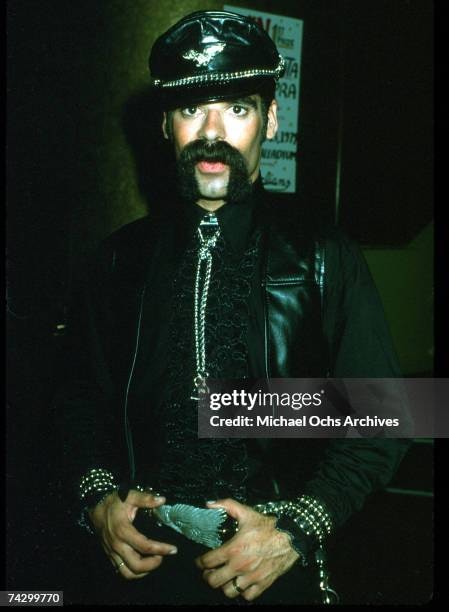
Glenn Hughes
 United States
Member of Village People
Doğum Tarihi
July 18, 1950
Burç
Cancer
Doğum Yeri
New York City, New York, USA
Yaş
50 yaşında öldü
Boy
5 ft 10 in (178 cm)
Hakkında
Glenn Michael Hughes, Amerikalı bir şarkıcı olup, disko grubu Village People'ın orijinal Leatherman karakteri olarak tanınır. 18 Temmuz 1950'de New York'ta doğdu, 1977'de gruba katıldı ve 1996'ya kadar onlarla performans sergileyerek bir dönemin sesini ve imajını tanımlamaya yardımcı oldu. Hughes sahneye ham, erkeksi bir enerji getirdi, pop kültüründe anında tanınabilir hale gelen deri giyimli motosikletçi arketipini canlandırdı. Kariyeri boyunca grupla birlikte düzinelerce albüm ve single'da yer aldı; bunlar arasında liste başı olan YMCA, Macho Man ve Go West gibi hitler de vardı. En çok Village People'daki zamanıyla tanınmasına rağmen, Hughes solo çalışmalar ve işbirlikleri dahil olmak üzere başka müzikal projeler de yürüttü. 4 Mart 2001'de 50 yaşında akciğer kanserinden öldü. Mirası, Village People'ın müziğinin kalıcı popülaritesi ve Leatherman'ın unutulmaz imajıyla yaşamaya devam ediyor.
İlk yıllar ve geçmiş
Hughes, New York'ta işçi sınıfı bir ortamda büyüdü, ancak çocukluğu ve eğitimi hakkında kamu kayıtlarında çok az ayrıntı bulunmaktadır. Müzik ve performansa erken bir ilgi geliştirdi ve Village People'a katılmadan önce, New York gece hayatına dalarken çeşitli işlerde çalıştı. Şöhrete ilk adımı 1977'de, yeni kurulan Village People için seçmelere katılıp seçilmesiyle geldi ve ikonik hale gelen deri giyimli motosikletçi kişiliğini üstlendi. Grup, altı arketip erkek karakterini canlandıracak performansçılar arayan Fransız yapımcılar Jacques Morali ve Henri Belolo tarafından yaratıldı.
Kariyer gelişimi
1977'de Hughes, Village People'a altı arketip erkek karakterinden biri olan Leatherman olarak katıldı. Grubun çıkışı 1978'de Billboard Dance listesinde 1 numaraya ve Billboard 200'de 2 numaraya ulaşan Macho Man albümüyle geldi. Aynı yılın ilerleyen günlerinde grup, dev küresel hit YMCA'yı içeren Cruisin''i yayınladı. Şarkı Billboard Hot 100'de 2 numaraya ve birçok ülkede 1 numaraya ulaşarak tüm zamanların en çok satan single'larından biri oldu. 1979'da grup, başlık parçası başka bir uluslararası hit haline gelen Go West'i yayınladı ve ayrıca ABD Donanması'nın işbirliğiyle In the Navy'i single olarak çıkardı. 1980'de Village People, eleştirel ve ticari açıdan başarısız olan ancak daha sonra kült statüsü kazanan yarı otobiyografik film Can't Stop the Music'te rol aldı. Hughes, 1985 yapımı belgesel tarzı film The Village People: The Movie'de göründü. Grupla yaklaşık 19 yıl geçirdikten sonra, Hughes 1996'da Village People'dan ayrıldı ve solo müzikal projelere yöneldi, ancak hiçbiri grupla yaptığı çalışmaların ticari başarısını yakalayamadı.
Kariyer zaman çizelgesi
Kamuoyu imajı ve tarzı
Hughes'ın imza stili siyah deri şapka, deri yelek, deri pantolon ve botlardan oluşan deri motosikletçi kıyafetiydi. Bu görünüm disko motosikletçi estetiğiyle eşanlamlı hale geldi. Grupta sert, erkeksi bir varlık olarak tasvir edildi ve daha gösterişli karakterlere tezat oluşturdu. Derin sesi ve konuşma katkıları grubun kayıtlarına ağırlık kattı. Village People'ın, özellikle LGBTQ+ toplulukları ve disko meraklıları arasında, adanmış küresel bir hayran kitlesi vardır, ancak resmi bir hayran topluluğu adı yoktur.
Şöhret ve hayran kitlesi
Glenn Hughes's global recognition today rests on his role as the original Leatherman in the Village People, a persona that remains a cultural touchstone decades after his death. While his fame is enduring, it does not currently translate into a placement in iFANN's published rankings. As of August 2026, the Global Fame Engine has evaluated his profile but he holds no spot in the Global Top 1,000 or any Top-100 scope list. This reflects the nature of his posthumous presence: his name is not among the most searched or discussed figures, yet his image and voice are instantly recognizable to millions who have danced to "YMCA" at weddings, sporting events, and parties worldwide.
His fanbase, though devoted, has no formal name. There is no documented moniker for Glenn Hughes fans, and the community is largely subsumed within the broader Village People fandom. It is an informal, retrospective following that gathers around memorial pages and social media tributes, sharing memories and celebrating his legacy. Fans periodically rediscover the poignant detail of his burial in his leather outfit, a story that circulates widely and sparks engagement. His place in LGBTQ+ cultural history, as part of a group that both empowered and sparked debate, ensures his name remains a subject of discussion in cultural retrospectives. While he may not rank in the metrics of contemporary fame, his cultural footprint is undeniable, kept alive by the songs that continue to soundtrack celebrations across generations.
İlginç bilgiler ve efsaneler
Glenn Hughes's Leatherman character was one of six archetypal male fantasies created by producers Jacques Morali and Henri Belolo to appeal to gay audiences, though the group crossed over to mainstream success. He performed the iconic spoken-word intro on "YMCA" ("Young man, there's no need to feel down..."). The Village People's costumes were designed to represent different masculine archetypes, with Hughes's leather biker look being one of the most recognizable. Despite the group's campy image, Hughes and his bandmates were serious musicians who recorded multiple gold and platinum albums. "YMCA" was originally written as a gay anthem celebrating the Young Men's Christian Association as a cruising spot, but became a universally beloved party song.
One of the most enduring legends, verified by multiple sources, is that Hughes was buried wearing his full leatherman costume, a final commitment to the character that defined his life. Fans still retell this story with a mix of awe and poignancy. Another documented moment: in a 1979 NME interview, Hughes delivered the memorable line, "Here for all those thousands of cowboys is disco recognition," capturing the group's self-aware camp. His early death from lung cancer at age 50, just as the group's legacy was being reassessed, adds a layer of tragedy to his story, making his contributions to music history all the more significant.
Aile ve özel yaşam
Hughes, New York'ta doğdu. Ebeveynleri ve kardeşleri hakkında bilgiler kamu kaynaklarında yaygın olarak belgelenmemiştir. Kamuoyu tarafından bilinen çocuğu yoktu ve aile hayatı konusunda özeldi.
Önemli bağlantılar
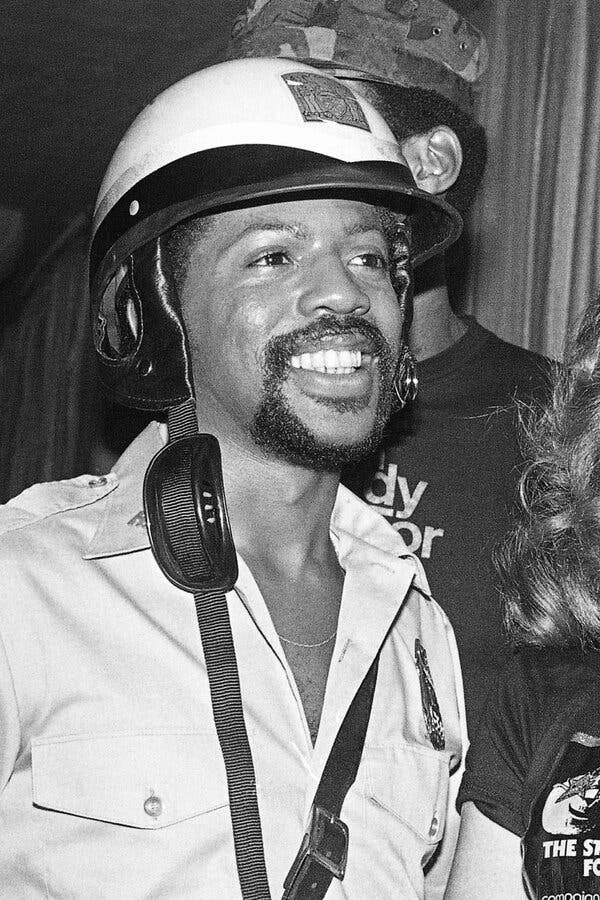
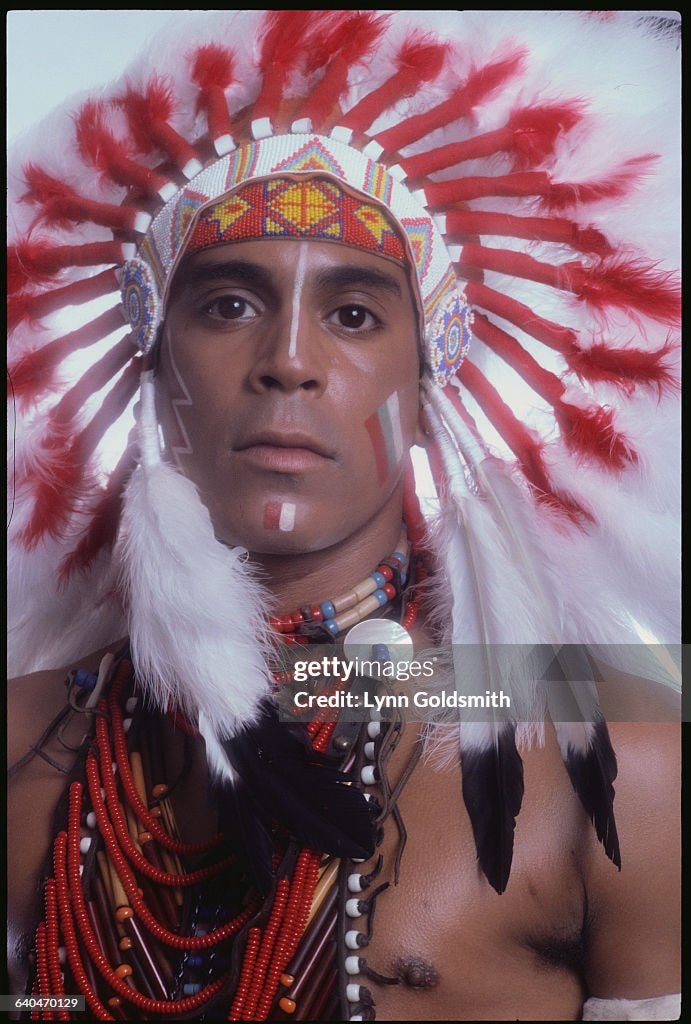
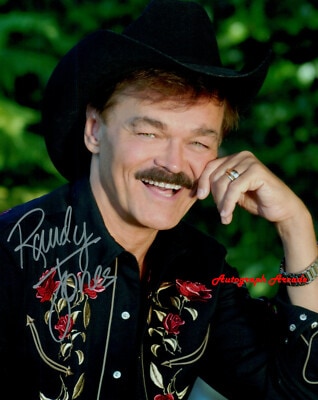
Hughes, Village People grup arkadaşları Victor Willis, Felipe Rose, Randy Jones, David Hodo ve Alex Briley ile yapımcılar Jacques Morali ve Henri Belolo ile yakın çalıştı.
İlişkiler ve flört geçmişi
Glenn Hughes'ın romantik ilişkileri hakkında kamuya açık bilgiler son derece sınırlıdır. Kişisel hayatı konusunda özel olduğu biliniyordu ve ana akım biyografik kaynaklarda belgelenmiş uzun süreli kamuya açık ilişkiler, evlilikler veya nişanlar kaydedilmemiştir. Kamuoyu tarafından bilinen çocuğu yoktu. 2026 itibarıyla Hughes ölmüştür.
Ölümü ve Sonrası
Ölüm
March 4, 2001 (50 yaşında)
Ölüm Yeri
Bilinmiyor
Ölüm Nedeni
Bilinmiyor
Glenn Hughes spent his final years living quietly in New York City, stepping back from the public eye after nearly two decades of defining the leather-clad biker archetype with the Village People. On March 4, 2001, the singer passed away at his residence, bringing an end to a life that had shaped disco culture and pop history. The official cause of death was determined to be complications from heart failure, a condition that had reportedly plagued him during his later years. Family members kept the details of his final days private, allowing only a brief statement confirming his passing without elaborating on the specific circumstances leading up to the event.
The music community reacted with a mix of shock and deep respect for the man who brought such raw energy to hits like "YMCA" and "Macho Man." Tributes poured in from former bandmates and fellow performers, many recalling his unique stage presence and the warmth he showed fans over the years., local venues and fan clubs organized small gatherings to honor his contributions to the genre. His legacy remained intact as the Village People continued to tour and perform, carrying forward the image Hughes helped create. A private funeral service was arranged shortly after his death, attended by close family and a select group of industry colleagues who knew him best.
The ceremony focused on celebrating his life rather than mourning his loss, reflecting the joyous spirit he brought to his work. Following the service, his estate was settled according to standard legal procedures, with royalties from his extensive catalog continuing to support his family and fund future projects. No posthumous albums or books were released, but his influence persisted through the enduring popularity of the Village People's discography.
Servet (miras değeri)
$1.5 Million
iFANN editör ekibinin tahmini
iFANN currently estimates Glenn Hughes's estate at the time of his death in 2001 to be worth approximately $1.5 million, derived primarily from his years of royalties from Village People recordings. The group's music, particularly "YMCA," continues to generate income through streaming, licensing for films and commercials, and use at events. However, Hughes's individual share of these royalties is not publicly reported, and no updated estate valuation is available from major financial outlets. The estate is believed to be managed privately.
Ödüller ve nişanlar
Tanındığı işler
Village People
1977 · Leatherman character
Anahtar Kelimeler
Kısa Bilgiler
- Meslek
- singer
- Doğum
- July 18, 1950
- Doğum Yeri
- New York City
- Ölüm
- March 4, 2001
- Ölüm Yeri
- Manhattan, New York
- Cinsiyet
- Erkek
- Burç
- Cancer
Kişisel bilgiler
- Tam Adı
- Glenn Michael Hughes
- Boy
- 5 ft 10 in (178 cm)
Filmografi
2
Toplam
2
Film
0
TV
Sıkça Sorulan Sorular
Glenn Hughes nasıl öldü?
Glenn Hughes evli miydi?
Glenn Hughes, Village People'da hangi karakterdi?
Glenn Hughes öldüğünde kaç yaşındaydı?
Glenn Hughes, YMCA'da şarkı söyledi mi?
Topluluğa katıl
hayran tartışıyor